
Table of Contents
Introduction to Smart Classroom Budget Planning

In recent years, schools and universities around the world have accelerated the adoption of digital learning environments. Interactive displays, wireless presentation systems, classroom microphones, and integrated AV systems are no longer considered luxury additions—they are essential tools that support modern teaching methods. However, implementing these technologies requires thoughtful financial preparation. This is where Smart Classroom Budget Planning becomes essential.
Many institutions underestimate the complexity of classroom technology budgets. A school may purchase high-quality displays but overlook audio infrastructure, or install advanced conferencing equipment without upgrading the network to support it. These mismatches lead to wasted resources and underperforming classrooms.
Effective Smart Classroom Budget Planning ensures that every investment contributes to a coherent learning environment. Instead of focusing only on the price of individual devices, administrators should consider the entire ecosystem: displays, microphones, network infrastructure, installation labor, maintenance, and future upgrades.
A well-structured plan offers several advantages. First, it helps schools avoid overspending on unnecessary equipment while ensuring that essential systems are not overlooked. Second, it provides transparency for decision makers, allowing administrators to justify technology investments to school boards or funding bodies. Finally, it supports long-term sustainability by accounting for maintenance costs and equipment replacement cycles.
Modern classrooms are no longer static environments. Teachers move between digital resources, students participate both in person and remotely, and multiple devices interact simultaneously. Because of this complexity, Smart Classroom Budget Planning must balance performance, reliability, and cost efficiency.
Key Components That Affect Smart Classroom Budgets
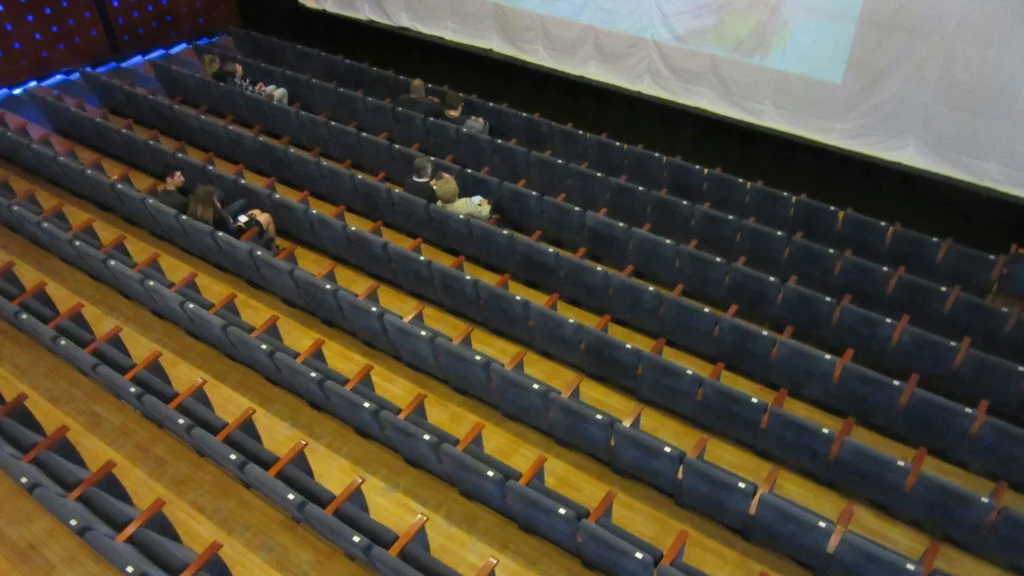
Before estimating a classroom technology budget, it is important to understand which components typically consume the largest portion of the budget. While each institution may prioritize different technologies, most smart classrooms share several core infrastructure elements.
Display and Visual Technology
Visual technology is often the centerpiece of a smart classroom. Interactive displays and projection systems enable teachers to present digital content, annotate materials in real time, and encourage collaboration among students.
Interactive flat panels have become particularly popular because they combine multiple functions into a single device. They often include touch capability, built-in computing modules, and wireless screen sharing. Although these displays may have a higher initial cost than traditional projectors, they reduce the need for additional devices and maintenance.
Projectors remain a practical choice in large lecture halls where extremely large display surfaces are required. However, institutions must also budget for projector lamps, mounting hardware, and periodic maintenance.
When conducting Smart Classroom Budget Planning, schools should consider the size of the classroom, viewing distance, lighting conditions, and expected usage patterns. These factors influence whether a display panel, projector, or hybrid system is the most cost-effective solution.
Audio Systems
Clear audio is essential for effective teaching, yet it is frequently underestimated during budget planning. Teachers need microphones that capture speech clearly, and students must be able to hear instructions regardless of where they sit in the classroom.
A typical classroom audio system may include wireless microphones, ceiling speakers, amplifiers, and digital signal processing equipment. In hybrid classrooms, microphones must also capture student discussions for remote participants, which may require additional devices such as ceiling microphone arrays.
When performing Smart Classroom Budget Planning, administrators should remember that audio quality has a direct impact on learning outcomes. Investing in reliable microphones and proper acoustic design often provides greater educational value than simply upgrading visual equipment.
Classroom Control Systems
Many modern classrooms integrate multiple devices—displays, audio systems, document cameras, and video conferencing tools. Without a centralized control interface, teachers may struggle to operate these systems efficiently.
Control systems allow instructors to switch between devices, adjust audio levels, and manage presentations from a single interface, often through a digital podium or touch panel. Although these systems add to the initial cost, they significantly improve usability and reduce technical confusion during lessons.
In the context of Smart Classroom Budget Planning, control systems should be viewed as productivity tools rather than optional accessories. A well-designed control interface minimizes classroom downtime and ensures that teachers can focus on instruction instead of troubleshooting equipment.
Network Infrastructure
Reliable connectivity is the foundation of any digital learning environment. Interactive displays, wireless presentation tools, and hybrid learning platforms all depend on a stable network.
Schools must therefore include network upgrades in their Smart Classroom Budget Planning. This may involve improving Wi-Fi coverage, installing additional Ethernet ports, or upgrading switches to support higher bandwidth.
Network infrastructure costs vary widely depending on building age and existing equipment. In older facilities, wiring upgrades and network cabinets may represent a significant portion of the technology budget.
How to Estimate Smart Classroom Equipment Costs
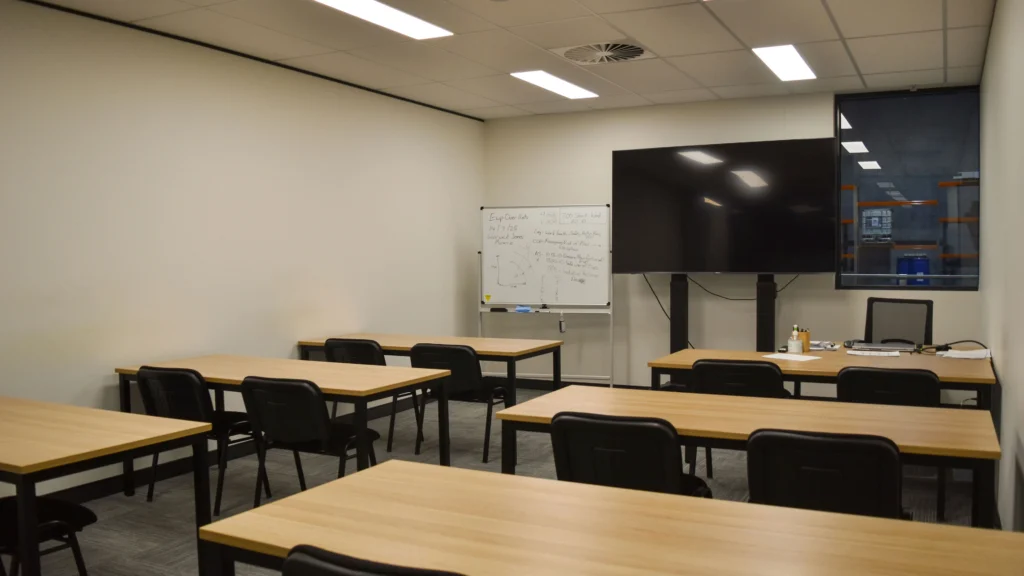
Estimating classroom technology costs is one of the most challenging steps in Smart Classroom Budget Planning. Prices vary depending on equipment quality, room size, and installation complexity. Instead of focusing solely on individual device prices, schools should evaluate the total system cost.
A useful approach is to categorize classrooms into different types and estimate costs for each category.
Small Classroom Budget Example
Small classrooms with fewer than 25 students typically require fewer devices. A cost-effective configuration might include an interactive display, a wireless microphone, basic speakers, and a simple control interface.
Such classrooms often benefit from simplified AV systems because teachers interact closely with students and require less complex audio coverage.
Medium Classroom Budget Example
Medium-sized classrooms generally require stronger audio systems and more robust networking. In addition to displays and microphones, schools may install ceiling speakers, document cameras, and additional presentation inputs.
These classrooms often support hybrid teaching, which means the technology must work reliably with video conferencing platforms.
Large Lecture Hall Budget Example
Large lecture halls present unique challenges for Smart Classroom Budget Planning. They require powerful audio systems, multiple displays, professional microphone setups, and extensive network infrastructure.
Because of their complexity, lecture halls often include AV racks, digital signal processors, and centralized control systems. Installation costs may also be higher due to cable routing and equipment mounting.
Estimated Smart Classroom Cost Breakdown
| Component | Typical Budget Range | Notes |
|---|---|---|
| Interactive Display or Projector | Medium to High | Depends on screen size and technology |
| Classroom Audio System | Medium | Includes microphones, speakers, and amplifier |
| Control System | Medium | Touch panel or digital podium integration |
| Network Infrastructure | Low to Medium | Depends on building network readiness |
| Installation and Cabling | Medium | Labor and cable routing costs |
This table illustrates why Smart Classroom Budget Planning should consider the entire system rather than focusing on a single device category.
Cost Saving Strategies for Smart Classroom Projects

While classroom technology can be expensive, thoughtful planning allows schools to reduce costs without compromising functionality. One of the most effective approaches is prioritizing essential equipment.
Instead of purchasing every possible feature, institutions should first identify the tools that directly support teaching. For example, a reliable display and clear audio system often deliver greater value than advanced automation features.
Another important strategy in Smart Classroom Budget Planning is selecting scalable technology. Schools should choose equipment that allows future expansion without replacing the entire system. Modular control systems, upgradeable displays, and flexible network infrastructure make it easier to adapt classrooms as technology evolves.
Finally, many schools overlook the potential of existing infrastructure. Older projectors, speakers, or network components may still be usable if they meet performance requirements. Reusing these devices can significantly reduce initial costs and allow institutions to invest more strategically in critical upgrades.
Hidden Costs Schools Often Forget in Smart Classroom Budget Planning
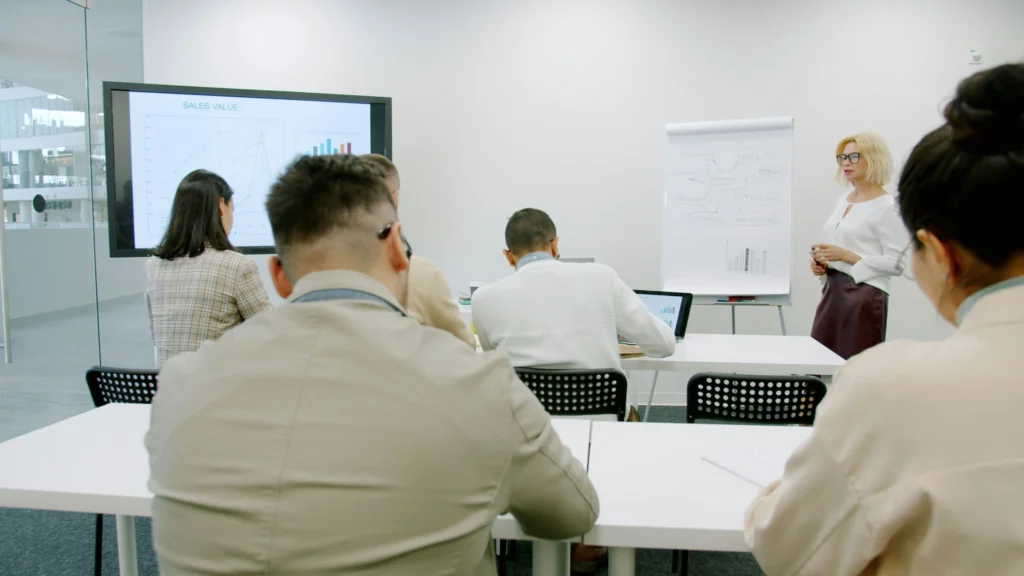
When institutions begin Smart Classroom Budget Planning, they often focus on visible equipment such as displays or microphones. However, many projects exceed their original budgets because hidden costs were not considered during the planning stage.
These overlooked expenses rarely appear in vendor marketing materials, but they play a crucial role in determining the total cost of ownership for classroom technology.
Installation and Labor Costs
One of the most common hidden costs is installation. Even relatively simple classroom setups require trained technicians to mount displays, route cables, configure networks, and test the AV system.
Labor costs depend on several factors, including classroom size, building structure, and cable routing complexity. For example, installing ceiling microphones or running cables through walls may require additional construction work or specialized mounting hardware.
In Smart Classroom Budget Planning, installation expenses should always be estimated early. Ignoring them can easily increase the final project cost by 20–30%.
Cabling and Infrastructure
Cabling is another frequently underestimated expense. While a single HDMI or Ethernet cable may appear inexpensive, large installations require dozens of cables, connectors, wall plates, and cable management systems.
Proper infrastructure also includes conduits, raceways, and cable trays that keep wiring organized and safe. Without these elements, maintenance becomes difficult and the risk of accidental cable damage increases.
Schools planning smart classrooms should therefore treat cable infrastructure as a core investment rather than a secondary detail.
Software Licensing and Platform Fees
Many modern classroom tools rely on software platforms. Video conferencing systems, wireless presentation tools, and classroom management applications may require subscription licenses.
Although these costs appear small at first, they accumulate over time. For example, annual software subscriptions for multiple classrooms can significantly affect long-term budgeting.
Effective Smart Classroom Budget Planning should include a multi-year projection for software licenses and platform fees. This approach prevents unexpected budget pressure in future academic years.
Equipment Replacement and Upgrade Cycles
Technology evolves quickly, and classroom equipment eventually becomes outdated. Displays may last several years, but smaller components such as microphones, cameras, and control panels may require earlier replacement.
Schools that ignore replacement cycles often face sudden large expenses when multiple devices fail or become incompatible with newer systems.
A realistic Smart Classroom Budget Planning strategy typically assumes:
- Display lifespan: 5–7 years
- Audio equipment lifespan: 4–6 years
- Network hardware lifespan: 3–5 years
Planning for these cycles allows institutions to spread costs over time instead of facing sudden large investments.
Smart Classroom Budget Planning for Different Types of Institutions
Different educational environments have unique technology needs. As a result, Smart Classroom Budget Planning strategies should adapt to the specific goals and teaching styles of each institution.
K–12 Schools
K–12 classrooms generally focus on interactive learning and teacher-led instruction. The technology setup often prioritizes simplicity and durability rather than advanced customization.
For these classrooms, the budget typically emphasizes interactive displays, basic audio systems, and reliable network connectivity. Teachers need tools that are easy to operate without extensive technical training.
Another important consideration is device durability. Equipment in younger classrooms may experience heavier daily use, so investing in reliable hardware often reduces long-term replacement costs.
Universities and Higher Education
Universities often require more sophisticated technology because lectures may involve large student groups, hybrid learning environments, and guest presentations.
In these cases, Smart Classroom Budget Planning frequently includes advanced AV systems such as ceiling microphone arrays, lecture capture systems, and integrated control panels.
Universities may also need multiple displays to ensure that students sitting far from the front of the room can see presentation materials clearly.
Because higher education institutions typically operate hundreds of classrooms, even small budget optimizations can generate significant cost savings across the entire campus.
Training Centers and Corporate Learning Spaces
Training centers and corporate learning environments often prioritize flexibility. Rooms may be used for workshops, presentations, or collaborative activities.
As a result, their Smart Classroom Budget Planning strategy may emphasize portable equipment, wireless presentation systems, and modular AV setups that can be reconfigured quickly.
Although these spaces may require fewer permanent installations, they often rely heavily on network connectivity and conferencing tools to support remote participants.
Long-Term ROI of Smart Classroom Investments
One of the most important aspects of Smart Classroom Budget Planning is understanding the long-term return on investment. Classroom technology should not be viewed solely as an expense; it is also a strategic investment in educational quality.
Improved Student Engagement
Interactive displays and digital collaboration tools encourage students to participate actively during lessons. Instead of passively watching a lecture, students can interact with content, contribute ideas, and engage in group activities.
Research consistently shows that interactive learning environments improve knowledge retention and student satisfaction.
Support for Hybrid and Remote Learning
Hybrid learning has become increasingly common in recent years. Many institutions now provide options for students to attend lectures remotely when necessary.
Classrooms equipped with proper microphones, cameras, and conferencing tools allow teachers to deliver lessons simultaneously to both in-person and remote participants.
Without thoughtful Smart Classroom Budget Planning, these hybrid capabilities may not function reliably, leading to poor learning experiences for remote students.
Choosing the Right Microphone for Your Classroom
Operational Efficiency
Well-designed classroom technology reduces technical disruptions during lessons. Teachers can start classes quickly, switch between devices smoothly, and focus on teaching instead of troubleshooting equipment.
Over time, this operational efficiency translates into measurable benefits. Schools spend less time on technical support requests and experience fewer interruptions to the learning process.
Maintenance Budget Planning for Smart Classrooms
Technology investments only deliver value when they remain functional over time. For this reason, Smart Classroom Budget Planning should always include a maintenance budget.
Routine maintenance prevents small technical problems from becoming expensive system failures.
Typical Maintenance Activities
Regular maintenance tasks may include:
- Testing microphones and audio systems
- Updating firmware for displays and control panels
- Inspecting cables and connectors
- Verifying network connectivity
These checks ensure that classroom technology continues to perform reliably throughout the academic year.
Example Maintenance Budget Allocation
| Maintenance Category | Annual Budget Consideration | Purpose |
|---|---|---|
| Equipment inspection | Low | Prevent early device failure |
| Firmware updates | Low | Maintain compatibility with new software |
| Replacement parts | Medium | Microphones, cables, connectors |
| Technical support | Medium | Troubleshooting and repairs |
By including maintenance costs in Smart Classroom Budget Planning, institutions can avoid unexpected equipment failures and extend the lifespan of their technology investments.
FAQ – Smart Classroom Budget Planning
How much does a smart classroom typically cost?
The cost varies widely depending on equipment and room size. A basic smart classroom may cost a few thousand dollars, while advanced lecture halls with integrated AV systems can cost significantly more. Effective Smart Classroom Budget Planning helps institutions allocate resources efficiently based on their specific needs.
What equipment should schools prioritize first?
Most institutions begin with three essential elements: a reliable display, clear audio systems, and stable network connectivity. These components form the foundation of modern digital classrooms.
How can schools reduce smart classroom costs?
Schools can reduce costs by reusing existing equipment, selecting scalable technology, and prioritizing essential features instead of purchasing every available upgrade.
How often should classroom technology be replaced?
Displays and large AV systems often last five to seven years, while smaller components such as microphones or networking devices may require replacement sooner.
Why is Smart Classroom Budget Planning important?
Without a structured budget plan, schools risk overspending on certain technologies while neglecting other critical components. Careful Smart Classroom Budget Planning ensures balanced investments that support long-term educational goals.
Conclusion
Creating modern digital classrooms requires more than purchasing new technology. It requires a strategic approach that considers equipment costs, infrastructure requirements, maintenance expenses, and long-term upgrades.
Effective Smart Classroom Budget Planning allows institutions to balance innovation with financial sustainability. By understanding the true cost of classroom technology and planning for future needs, schools can create learning environments that support both teachers and students for years to come.
