Table of Contents
Introduction
In modern education environments, clear communication is one of the most important factors influencing learning outcomes. Teachers rely heavily on spoken explanations, discussions, and multimedia presentations to deliver lessons effectively. However, in many classrooms, students struggle to hear instructions clearly due to room size, background noise, poor acoustics, or weak audio equipment.
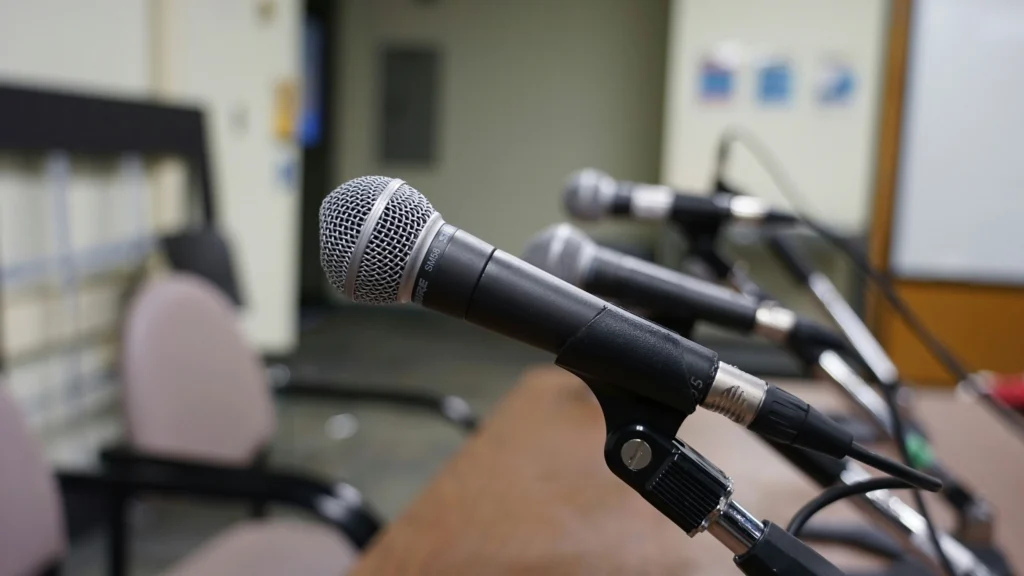
This Classroom Audio Guide explores how schools can design and implement effective audio systems that ensure every student hears the teacher clearly, regardless of where they sit in the classroom. A well-designed classroom audio system not only improves comprehension but also reduces teacher vocal strain and supports modern teaching methods such as hybrid learning and multimedia instruction.
The purpose of this Classroom Audio Guide is to explain the technologies behind classroom audio systems and provide practical insights into selecting the right equipment. Schools today must consider multiple components when designing audio environments, including microphones, speakers, digital signal processors (DSP), amplifiers, and acoustic treatments.
In many cases, audio systems are integrated with other classroom technologies such as projectors and interactive displays. These integrated environments create what is commonly referred to as a smart classroom, where digital tools support both teaching and collaboration.
Read more about smart learning environments → What Is a Smart Classroom
By the end of this Classroom Audio Guide, readers will understand how classroom audio systems work, how to choose appropriate equipment, and how to design an audio setup that supports effective teaching.
Why Classroom Audio Systems Matter in Modern Education
Many educators assume that speaking loudly is enough to ensure students hear clearly. In reality, classroom acoustics and background noise often reduce speech clarity significantly. Even in relatively small classrooms, students sitting at the back may struggle to hear subtle details in the teacher’s voice.
Studies on classroom acoustics show that poor audio conditions can affect concentration, comprehension, and student engagement. When students miss key parts of explanations, they may become confused or disengaged from the lesson.
One of the most overlooked issues in classrooms is teacher vocal fatigue. Teachers often speak continuously for several hours each day. Without proper amplification systems, they must raise their voices to reach the entire classroom. Over time, this can lead to voice strain and even long-term vocal health problems.
A well-designed classroom audio system distributes sound evenly throughout the room. Instead of the teacher speaking louder, the system amplifies the voice naturally and sends it through speakers positioned around the classroom. This ensures that students sitting in the back rows receive the same audio clarity as those sitting near the front.
Another reason classroom audio systems are becoming more important is the growth of multimedia teaching methods. Modern lessons frequently include videos, online learning platforms, and interactive presentations. These media sources require high-quality sound reproduction so students can clearly hear narration, dialogue, or educational audio content.
In addition, hybrid and remote learning models have increased the need for better audio capture. Microphones must capture the teacher’s voice clearly so that remote students participating through video conferencing platforms can follow the lesson.
Because of these factors, schools increasingly recognize that audio systems are not optional accessories but essential components of classroom technology infrastructure.
Understanding Classroom Audio Systems

A classroom audio system is not a single device but rather a collection of components that work together to capture, process, amplify, and distribute sound throughout the learning environment.
Most classroom audio systems include several key elements:
- Microphones that capture the teacher’s voice
- Speakers that distribute sound throughout the room
- Digital signal processors (DSP) that improve audio quality
- Amplifiers that provide sufficient power for speakers
- Control interfaces that allow teachers to manage audio sources
These components form an integrated system designed to ensure clear and consistent audio coverage across the classroom.
To understand how these components work together, it is useful to examine the signal flow in a typical classroom audio system.
| Component | Function in the Audio System |
|---|---|
| Microphone | Captures the teacher’s voice |
| DSP Processor | Enhances sound clarity and reduces noise |
| Amplifier | Boosts audio signals to drive speakers |
| Speakers | Distribute sound across the classroom |
| Control System | Allows teachers to manage audio inputs |
When the teacher speaks into a microphone, the signal is first sent to a digital processor. The processor adjusts volume levels, removes unwanted noise, and prevents audio feedback. After processing, the signal passes through an amplifier before reaching the classroom speakers.
Speakers then distribute the sound evenly throughout the classroom, ensuring all students hear the same audio level.
This structured signal chain is what allows modern classroom audio systems to maintain consistent sound quality even in challenging acoustic environments.
Types of Classroom Microphones
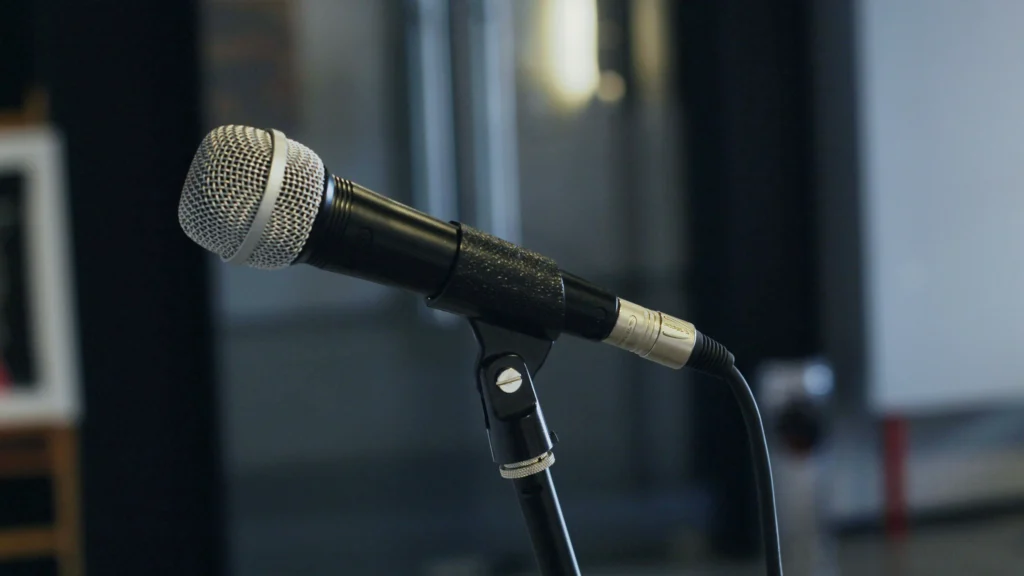
Microphones are one of the most critical components discussed in this Classroom Audio Guide. They capture the teacher’s voice and determine how clearly speech is transmitted through the audio system.
Several microphone types are commonly used in educational environments. Each type offers different advantages depending on the teaching style, classroom layout, and mobility requirements.
Ceiling Microphones
Ceiling microphones are mounted above the classroom and capture audio from a wide area. These microphones are designed to detect speech without requiring the teacher to wear or hold any device.
This design provides a high level of convenience because teachers can move freely around the classroom without worrying about microphone placement. Ceiling microphones are particularly useful in classrooms where multiple speakers participate in discussions, such as collaborative learning environments.
However, ceiling microphones require careful installation and calibration. Because they capture sound from a larger area, they may also pick up background noise such as student movement, air conditioning systems, or hallway noise. To maintain clear audio quality, these microphones are usually paired with digital signal processing technologies that filter unwanted noise.
Another advantage of ceiling microphones is their compatibility with hybrid learning environments. Since they capture audio from the entire room, they can record student discussions and transmit them to remote participants.
Lapel (Lavalier) Microphones
Lapel microphones, also known as lavalier microphones, are small wearable microphones that clip onto a teacher’s clothing. These microphones are widely used in classrooms because they provide consistent audio quality regardless of where the teacher moves.
Unlike ceiling microphones, lapel microphones capture audio very close to the speaker’s mouth. This proximity reduces background noise and ensures that speech remains clear even in noisy environments.
Teachers who move frequently around the classroom often prefer lapel microphones because they maintain consistent sound levels. The microphone travels with the teacher, ensuring that speech is always captured clearly.
However, wearable microphones also require teachers to remember to attach and charge the device before each lesson. In some cases, teachers may find this extra step inconvenient, especially if multiple instructors share the same classroom.
Despite these limitations, lapel microphones remain one of the most reliable solutions for classroom voice amplification.
Understanding display technologies in classrooms → Interactive Displays Guide
Handheld Microphones
Handheld microphones are among the most familiar microphone types in education and public speaking environments. They are typically wireless and allow users to pass the microphone between speakers.
In classroom environments, handheld microphones are often used during student presentations, classroom discussions, or collaborative learning sessions. When students speak into a handheld microphone, their voices can be amplified through the classroom speaker system so that all participants can hear clearly.
One of the key advantages of handheld microphones is their flexibility. Unlike fixed microphones, they can be shared among multiple users and used in different locations within the classroom. This makes them particularly useful in large lecture rooms or training environments where multiple students may need to speak during a session.
However, handheld microphones are rarely used as the primary microphone for teachers because they occupy one hand. Teachers usually need both hands available to write, operate digital displays, or interact with teaching materials.
For this reason, handheld microphones are typically used as supplementary microphones rather than the main classroom microphone.
Boundary and Table Microphones
Boundary microphones are designed to be placed on flat surfaces such as desks, conference tables, or podiums. These microphones capture sound from nearby speakers and are commonly used in discussion-based classrooms or seminar rooms.
Because boundary microphones sit close to the speaking area, they can capture voices clearly without requiring participants to wear microphones. This makes them suitable for roundtable discussions, group work, or university seminar environments.
In many classrooms that support hybrid learning or lecture recording, boundary microphones are used to capture student questions and comments. When students speak during a lesson, the microphone captures their voice and sends the signal to the classroom audio system or remote participants.
While boundary microphones offer convenience, they are not always ideal for large classrooms. Their audio coverage is limited, meaning multiple microphones may be required to ensure all participants can be heard clearly.
Classroom Speaker Systems
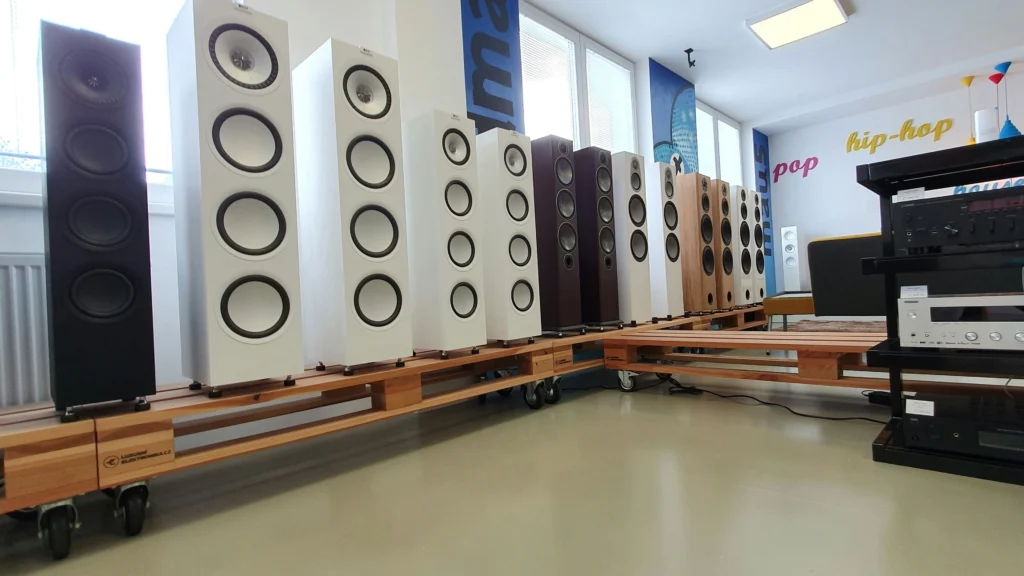
Once audio signals are captured by microphones and processed by the audio system, they must be distributed evenly throughout the classroom. Speakers perform this function by converting electrical signals into sound waves that students can hear.
Speaker placement and design are critical factors in classroom audio performance. Even high-quality microphones cannot compensate for poorly positioned speakers. A properly designed speaker system ensures that sound reaches all students at consistent volume levels without distortion.
Most classroom audio systems rely on one of three primary speaker configurations.
Wall-Mounted Speakers
Wall-mounted speakers are commonly installed at the front or sides of the classroom. These speakers are easy to install and can deliver sufficient sound coverage for small and medium-sized classrooms.
In traditional classroom layouts, wall-mounted speakers are positioned near the display screen or projector. This arrangement ensures that audio appears to originate from the same direction as the visual content, creating a more natural learning experience.
However, in larger classrooms, relying solely on front-mounted speakers may cause uneven sound distribution. Students seated near the back may hear lower volume levels compared to those seated near the front.
Ceiling Speakers
Ceiling speakers are widely used in modern classroom audio systems because they provide more even sound coverage across the entire room. Instead of projecting sound from one direction, ceiling speakers distribute sound downward across a wide area.
This design reduces the volume difference between the front and back rows. As a result, teachers can speak at a comfortable level while ensuring that all students hear clearly.
Ceiling speakers are also visually unobtrusive because they are integrated into the ceiling structure. This makes them a popular choice for newly constructed classrooms and modern learning environments.
In many installations, multiple ceiling speakers are evenly spaced across the classroom to create consistent audio coverage.
Line Array Speaker Systems
In larger lecture halls or auditoriums, line array speaker systems may be used to deliver sound over longer distances. These systems consist of multiple speakers arranged vertically to project sound in a controlled direction.
Line array systems are designed to maintain audio clarity even in large spaces with hundreds of students. They are commonly used in university lecture theatres or large training facilities.
However, for standard classrooms, simpler speaker configurations such as wall or ceiling speakers are usually sufficient.
Learn more about projection systems in classrooms → Classroom Projector Guide
What Is DSP in Classroom Audio Systems?
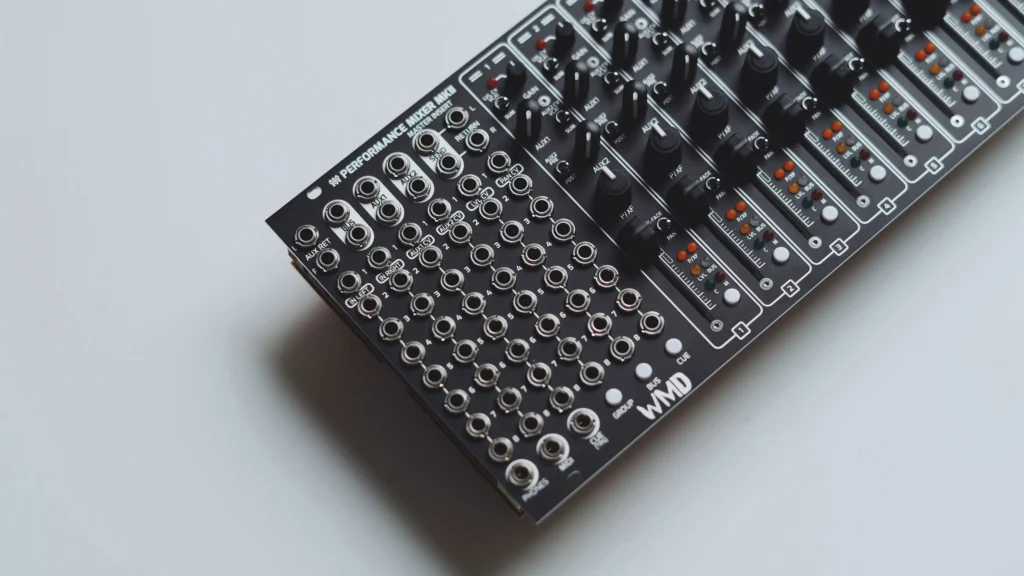
Digital Signal Processing, often referred to as DSP, is a critical component in modern classroom audio systems. DSP processors analyze and modify audio signals in real time to improve clarity, eliminate noise, and prevent technical problems such as feedback.
Without DSP processing, amplified audio systems can produce unwanted artifacts that reduce speech intelligibility. DSP technology solves these issues through advanced audio algorithms.
Some of the most important DSP functions include:
- Feedback suppression to eliminate high-pitched feedback loops
- Echo cancellation for hybrid or remote learning environments
- Automatic gain control to maintain consistent volume levels
- Noise reduction to filter background sounds
These features allow classroom audio systems to operate reliably even in environments where multiple microphones and speakers are used simultaneously.
Another important advantage of DSP systems is automatic audio optimization. Many modern DSP processors can analyze the acoustic properties of a room and adjust audio parameters accordingly. This ensures that speech remains clear even in classrooms with challenging acoustics.
DSP systems are particularly important in hybrid classrooms where audio must be transmitted to remote participants through video conferencing platforms. In these situations, DSP processing helps maintain clear audio communication between in-person and remote students.
Classroom Acoustic Design
While microphones and speakers are essential components of classroom audio systems, the physical acoustic environment of the classroom also plays a major role in determining sound quality.
Classrooms with poor acoustic design can create problems such as echo, reverberation, and background noise interference. These issues can make speech difficult to understand, especially for students seated far from the teacher.
One of the most important acoustic factors is reverberation time, which refers to how long sound reflections remain in a room after the original sound stops. Excessive reverberation causes speech to become blurred, making it harder for students to distinguish individual words.
Modern classroom design often incorporates acoustic treatments that reduce reverberation and improve speech clarity. These treatments may include acoustic ceiling panels, wall absorbers, and specialized flooring materials.
In addition to controlling reverberation, classrooms must also minimize external noise sources. Noise from hallways, HVAC systems, or outdoor environments can interfere with speech intelligibility. Effective classroom design often includes sound insulation strategies to reduce these distractions.
Acoustic design also affects how speaker systems should be installed. Rooms with high ceilings or reflective surfaces may require different speaker placement strategies compared to smaller classrooms with sound-absorbing materials.
When acoustic design and audio technology work together, the result is a learning environment where speech remains clear and consistent for all students.
Understanding display technologies in classrooms → Interactive Displays Guide
How to Design an Effective Classroom Audio System
Designing an effective classroom audio system requires more than simply purchasing microphones and speakers. Schools must consider classroom size, teaching style, acoustic conditions, and integration with other educational technologies.
A well-planned audio system ensures that speech remains clear and evenly distributed throughout the classroom while minimizing technical complexity for teachers.
The first step in designing a classroom audio system is understanding the physical environment. Classroom dimensions, ceiling height, seating layout, and surface materials all influence sound behavior. Rooms with hard surfaces such as concrete walls or glass windows tend to reflect sound, which may increase reverberation and reduce speech clarity.
Another critical factor is the teaching style used in the classroom. Some classrooms rely primarily on lecture-based instruction, while others emphasize collaboration and group discussion. Different teaching styles require different microphone and speaker configurations.
For example, a lecture-focused classroom may only require a lapel microphone and ceiling speakers. In contrast, a collaborative learning environment may need additional microphones to capture student discussions.
Technology integration is another important consideration. Classroom audio systems often work alongside projectors, interactive displays, and video conferencing tools. When these systems are properly integrated, teachers can control audio sources directly from a single interface.
Schools should also consider system scalability. As technology evolves, schools may want to add new microphones, recording systems, or remote learning tools. Designing the audio infrastructure with future expansion in mind can prevent costly upgrades later.
Deployment Best Practices for Schools
Once a classroom audio system has been designed, proper installation and configuration are essential for achieving optimal performance. Even high-quality audio equipment can perform poorly if it is not installed correctly.
One of the most important deployment principles is proper speaker placement. Speakers should be positioned so that sound coverage remains consistent across the classroom. Poorly placed speakers may create areas where audio is too loud or too quiet.
In most classrooms, evenly spaced ceiling speakers provide the most consistent sound distribution. When wall-mounted speakers are used, they should be angled to direct sound toward the center of the seating area.
Microphone placement also plays a critical role in audio clarity. Ceiling microphones must be positioned carefully to capture the teacher’s voice without picking up excessive background noise. Wearable microphones should be tested to ensure stable wireless connectivity throughout the classroom.
Another important step during deployment is audio calibration. Professional installers often use specialized measurement tools to analyze the acoustic characteristics of a room. These tools measure factors such as reverberation time and sound distribution, allowing technicians to fine-tune the audio system using DSP adjustments.
Proper cable management and equipment organization are also important for long-term reliability. Schools should ensure that audio equipment racks, amplifiers, and DSP units are installed in accessible locations for maintenance and troubleshooting.
Maintenance and Long-Term Reliability
Like any technology system, classroom audio equipment requires ongoing maintenance to ensure consistent performance. Schools that implement regular maintenance routines can significantly extend the lifespan of their audio systems.
One common maintenance task is checking wireless microphone batteries. Wireless lapel microphones rely on rechargeable or replaceable batteries, and low battery levels can cause audio interruptions during lessons.
Audio systems should also be periodically inspected to ensure that speakers and microphones remain properly connected. Loose cables or damaged connectors may lead to intermittent sound problems that can disrupt classroom instruction.
Software updates are another important aspect of system maintenance. Many modern DSP processors and audio control systems rely on firmware updates to improve performance and security. Keeping these systems updated ensures that the audio infrastructure remains compatible with evolving classroom technologies.
Schools should also provide basic training for teachers so they understand how to operate the classroom audio system. When teachers feel comfortable using the equipment, they are more likely to take advantage of its capabilities and maintain proper system usage.
Future Trends in Classroom Audio Technology
Classroom audio technology continues to evolve as schools adopt more advanced digital learning environments. Several emerging trends are shaping the future of classroom audio systems.
One major trend is the increasing use of AI-assisted audio processing. Artificial intelligence algorithms can automatically identify speech patterns, suppress background noise, and optimize audio levels in real time. These systems reduce the need for manual audio adjustments and help maintain consistent sound quality.
Another trend is the integration of classroom audio with unified communication platforms. Many schools now rely on video conferencing tools for hybrid learning. Audio systems that integrate directly with these platforms ensure that both in-person and remote students can participate in discussions without audio delays or quality issues.
Beamforming microphone technology is also becoming more common in educational environments. These microphones use advanced signal processing to focus on specific speakers while ignoring background noise. This allows classrooms to capture clear audio even when multiple students are speaking.
Wireless audio infrastructure is another area of innovation. Modern systems increasingly rely on wireless connectivity to simplify installation and reduce cable clutter. These wireless systems allow schools to deploy audio equipment more quickly and adapt classroom layouts when necessary.
As educational technology continues to evolve, classroom audio systems will play an increasingly important role in supporting communication, collaboration, and accessibility.
Classroom Audio System Configurations for Different Room Sizes
One of the most common questions addressed in a comprehensive Classroom Audio Guide is how audio system requirements change depending on classroom size. Small classrooms, medium lecture spaces, and large auditoriums all require different system configurations to maintain consistent sound quality.
Designing an audio system based on room size ensures that students receive balanced audio coverage without unnecessary equipment costs.
Small Classrooms (20–30 Students)
Small classrooms typically measure between 40 and 70 square meters. In these environments, the primary goal is to ensure that the teacher’s voice can be heard clearly without excessive amplification.
A simple audio system is usually sufficient for these spaces. Teachers often use a wearable microphone combined with a small speaker system mounted at the front of the classroom.
Typical configuration:
- 1 wireless lapel microphone for the teacher
- 2 wall-mounted speakers or ceiling speakers
- 1 compact amplifier
- Basic DSP processing
This setup provides enough amplification to maintain consistent audio levels while keeping installation costs relatively low.
Small classrooms also benefit from simple control systems that allow teachers to easily adjust volume or switch between audio sources such as laptops or multimedia players.
Medium Classrooms (30–60 Students)
Medium-sized classrooms require more careful audio distribution because the distance between the teacher and students increases. Without proper speaker placement, students sitting near the back may experience reduced audio clarity.
In these classrooms, ceiling speaker systems often provide the best results because they distribute sound evenly across the entire space.
Typical configuration:
- 1 lapel microphone for the teacher
- 1 handheld microphone for student presentations
- 4 ceiling speakers evenly spaced across the room
- DSP processor for feedback suppression and noise reduction
- Integrated amplifier
This configuration ensures consistent sound coverage while supporting interactive teaching activities such as student presentations and group discussions.
Many schools also integrate recording systems into these classrooms so that lessons can be archived or shared with remote students.
Large Classrooms and Lecture Halls (60+ Students)
Large classrooms and lecture halls require more advanced audio infrastructure to maintain speech intelligibility across greater distances.
In these environments, both microphone coverage and speaker distribution must be carefully planned. Teachers may move across larger teaching areas, and students may sit much farther from the front of the room.
Typical configuration:
- Wireless lapel microphone for the instructor
- Ceiling microphone array for capturing student questions
- Multiple ceiling speakers or line array speakers
- Advanced DSP processor with echo cancellation
- Audio mixer for managing multiple sources
Large lecture spaces also often integrate audio with recording systems and video conferencing platforms. This allows lectures to be streamed live or recorded for later viewing.
Classroom Audio Equipment Selection Guide
Selecting the right equipment is another critical aspect of a comprehensive Classroom Audio Guide. Schools must balance budget constraints with performance requirements when choosing microphones, speakers, and audio processors.
The following table provides a general comparison of equipment tiers commonly used in educational environments.
| Equipment Tier | Typical Components | Best For | Key Advantages |
|---|---|---|---|
| Entry-Level | Basic lapel microphone + wall speakers | Small classrooms | Affordable and easy to install |
| Standard | Lapel microphone + ceiling speakers + DSP | Most classrooms | Balanced sound distribution |
| Advanced | Microphone array + DSP + distributed speakers | Lecture halls | Superior clarity and scalability |
Entry-level systems are suitable for schools with limited budgets or classrooms where the teacher primarily lectures from the front of the room.
Standard systems represent the most common classroom audio setup. These systems provide consistent sound coverage and include DSP processing that improves speech clarity.
Advanced systems are typically installed in universities, training centers, or large lecture halls where audio quality and scalability are critical.
When selecting equipment, schools should also consider compatibility with other classroom technologies. Many modern classrooms combine audio systems with interactive displays, projectors, and remote learning tools.
Learn more about classroom display technology → Interactive Displays Guide
Audio Accessibility and Inclusive Learning
Another increasingly important topic covered in a modern Classroom Audio Guide is accessibility. Classroom audio systems can play a significant role in supporting students with hearing challenges or learning difficulties.
Clear audio amplification ensures that students with mild hearing loss can still follow lessons without requiring specialized seating arrangements. In many cases, classroom audio systems can also integrate with assistive listening devices.
Assistive listening systems transmit audio directly to compatible hearing aids or dedicated receivers used by students. These technologies significantly improve accessibility and help ensure that all students can participate equally in classroom activities.
Audio systems also support language learners by improving speech clarity and reducing background noise. When speech is clear and evenly distributed, students can focus more easily on pronunciation, vocabulary, and comprehension.
As schools continue to prioritize inclusive education, audio infrastructure will become an increasingly important part of classroom technology planning.
Frequently Asked Questions
What is a classroom audio system?
A classroom audio system is a technology setup designed to amplify and distribute sound within a classroom. It typically includes microphones, speakers, amplifiers, and digital signal processing equipment that ensure teachers and students can hear clearly during lessons.
Why do schools need classroom audio systems?
Classroom audio systems improve speech clarity, reduce teacher vocal strain, and support multimedia learning environments. They also help ensure that students seated farther from the teacher can hear instructions clearly.
What is the difference between ceiling microphones and lapel microphones?
Ceiling microphones capture audio from above and allow teachers to move freely without wearing equipment. Lapel microphones are wearable devices that clip onto clothing and provide consistent audio capture close to the speaker’s mouth.
How many speakers are needed in a classroom?
The number of speakers depends on classroom size and layout. Small classrooms may only require two speakers, while larger rooms often use multiple ceiling speakers to ensure even sound coverage.
What role does DSP play in classroom audio systems?
Digital Signal Processing improves sound quality by reducing background noise, preventing feedback, and maintaining consistent volume levels. DSP technology helps ensure clear speech transmission in complex classroom environments.
Can classroom audio systems support hybrid learning?
Yes. Modern classroom audio systems can integrate with video conferencing platforms and recording tools, allowing remote students to hear classroom discussions clearly.
What is the ideal microphone for classroom teaching?
Most schools prefer wireless lapel microphones because they allow teachers to move freely while maintaining consistent audio quality. These microphones capture speech close to the mouth, which reduces background noise.
Are ceiling speakers better than wall-mounted speakers?
Ceiling speakers typically provide more even sound distribution across a classroom. Wall-mounted speakers may create uneven audio coverage, especially in larger rooms.
How long do classroom audio systems last?
With proper maintenance, classroom audio systems can remain operational for 8–12 years. Regular inspections, firmware updates, and battery replacement for wireless microphones help extend system lifespan.
Do classroom audio systems help with hybrid learning?
Yes. Classroom audio systems improve audio capture for video conferencing and lecture recording, allowing remote students to hear classroom discussions clearly.
Can classroom audio systems reduce teacher voice strain?
Yes. Amplification systems allow teachers to speak at a natural volume instead of raising their voices to reach the entire classroom. This helps reduce long-term vocal fatigue.
Choosing the Right Classroom Audio System
Factors to Consider
Schools should evaluate several factors when selecting a classroom audio system.
- classroom size
- teaching style
- integration with displays and projectors
- budget and scalability
A small classroom may only require a simple microphone and speaker setup, while larger lecture halls often require advanced DSP processing and distributed speaker systems.
Budget Considerations
The cost of classroom audio systems varies widely depending on system complexity.
| Classroom Type | Typical Audio System Cost |
|---|---|
| Small classroom | $800 – $2,000 |
| Standard classroom | $2,000 – $6,000 |
| Lecture hall | $6,000 – $20,000 |
Conclusion
A well-designed classroom audio system plays a vital role in creating an effective learning environment. Clear speech communication improves comprehension, increases student engagement, and reduces teacher fatigue.
Throughout this Classroom Audio Guide, we explored the key technologies that make modern classroom audio systems possible, including microphones, speakers, DSP processors, and acoustic design strategies.
We also examined how different classroom sizes require different audio configurations and how schools can select equipment based on their specific needs.
As educational environments continue to evolve toward hybrid learning and digital classrooms, reliable audio infrastructure will remain essential. Schools that invest in high-quality classroom audio systems can provide more inclusive, engaging, and effective learning experiences for both students and teachers.